

Introduction
We’ve all been there. It’s 8:00 PM on a Friday. You have the popcorn, the perfect spot on the couch, and a vague memory of a trailer you saw three weeks ago about a detective in a neon-soaked future. You open Netflix. Not there. You try Disney+. Nothing. You check Prime Video, only to realize you accidentally let that subscription lapse last Tuesday. By 8:45 PM, the popcorn is cold, and you’re ended up re-watching The Office for the fourteenth time because searching became more work than actually watching.
Welcome to the "Streaming Paradox" of 2026. We have more content than any generation in human history, yet finding it has never been more exhausting. As of early 2026, the average household is juggling between five and seven different subscriptions, and with price hikes hitting almost every major player this year - from Netflix’s latest tier adjustment to the "Prime Video Ultra" rebrand - the cost of "cord-cutting" is starting to look suspiciously like the old cable bills we fought so hard to leave behind.
This guide isn't just a list of what’s on; it’s a strategic manual on how to navigate this fragmented landscape without losing your mind (or your entire paycheck).
The State of the Screen: Where the Giants Stand
To master the "Where to Watch" game, you first have to understand the territory. In 2026, the map has shifted. Gone are the days when one service had everything. Today, it’s a battle of niches and exclusives.
The "Big Three" Ecosystems:
-
Netflix: Still the undisputed king of volume. In May 2026 alone, they are dropping everything from the animated comedy Swapped to the highly anticipated Lord of the Flies adaptation. However, with the Standard Ad-Free plan now hovering around $20/month, it’s a premium commitment.
-
Disney+ & Hulu (The Merger): The long-rumored "one-app" reality has arrived. By folding Hulu into the Disney+ interface, they’ve created a powerhouse that ranges from The Bear to Star Wars. It’s the ultimate "family" hub, but the $30/month ad-free bundle price means you have to be sure you're using both halves of the pie.
-
Prime Video: Amazon has shifted gears. The basic Prime Video you get with your shipping membership now includes ads by default. To get the "Ultra" experience (4K and no ads), you’re looking at an extra $5/month. It remains the most eclectic library, mixing prestige originals like Spider-Noir with thousands of weird, wonderful indie films.
The Prestige Players:
HBO Max: Still the home of the "Sunday Night Event." With House of the Dragon Season 3 and the Harry Potter series on the horizon, it remains a non-negotiable for prestige TV fans, even at $23/month for the Premium tier.
Apple TV+: They’ve stuck to their "quality over quantity" guns. If you want Silo Season 3 or the latest Ridley Scott epic, this is the only place. At $12.99/month, it’s the cheapest of the prestige bunch but has the smallest library.
Breaking the Cycle: The Strategy of "Subscription Churning"
If you subscribe to everything at once in 2026, you’re likely spending over $120/month. That’s not cord-cutting; that’s a luxury tax. The smartest viewers this year are practicing what experts call "Subscription Churning."
The philosophy is simple: Watch, don't hoard.
Instead of keeping all five apps active, pick one "Anchor" service you use daily (maybe Netflix or Disney+) and rotate the "Event" services.
The 2026 Playbook: May: Subscribe to HBO Max for the House of the Dragon premiere. Cancel Apple TV+.
June: Finish your HBO binge, cancel it, and move to Apple TV+ to catch up on Severance and Sugar.
July: Pivot to Paramount+ for the summer sports and Mission Impossible library.
By treating subscriptions like library books rather than utility bills, you can see 100% of the content for 30% of the cost.
The Rise of the Aggregator: Your Secret Weapon
The biggest trend of 2026 isn't a new show; it’s the OTT Aggregator. As platforms like StreamPlay.ai have matured, they’ve solved the biggest problem in streaming: the "One Search" dream.
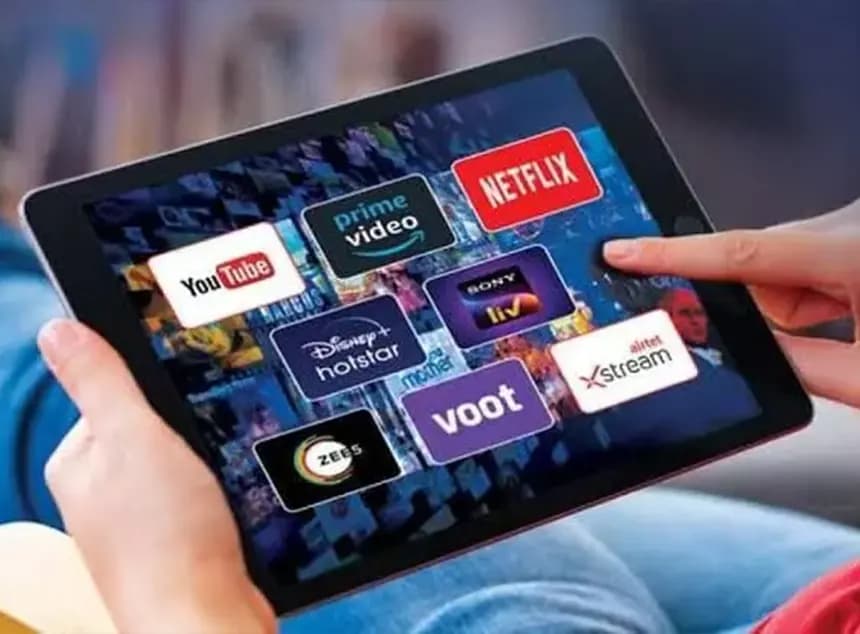
Aggregators work by pulling the metadata from all your favorite apps - Netflix, Prime, ZEE5, Lionsgate and putting them into a single, searchable interface.
- No more app-switching: You search for a title once, and the aggregator tells you exactly which service has it (and if your subscription is active).
- Unified Watchlists: You can add a movie from Disney+ and a documentary from HBO Max to the same list.
- Live Context: For the first time, live news from NDTV or CNN lives right next to your on-demand movies.
In 2026, the aggregator is the "remote control" of the digital age. It’s the layer that turns a chaotic mess of apps into a personalized TV station.
Live Events: The Final Frontier of "Now"
While on-demand is about convenience, 2026 has seen a massive return to Live Intent. Sports and news are the glue holding the streaming world together.
- Cricket & Football: These are no longer "secondary" to streaming; they are the main event. Services like FanCode and Peacock have revolutionized how we watch, offering "Micro-Leagues" and 4K live feeds that cable can't touch.
- The "Live Status" Indicator: Look for platforms that offer real-time scoreboards and "Jump to Live" features. If a match is in the final over, you don't want to spend three minutes navigating menus.
Navigating the Future: A Human Approach to Tech
At the end of the day, technology should serve your downtime, not complicate it. As we move deeper into 2026, the "Ultimate Guide" isn't just about having the right apps; it's about having a humanized relationship with your screen.
We are living in an era where AI-driven personalization can literally "mood-match" your evening. If you’re feeling stressed, your dashboard should suggest a light comedy or a 60-second Micro-Drama to take the edge off. If you have a full evening, it should guide you toward that epic three-hour masterpiece you’ve been saving.