

Introduction
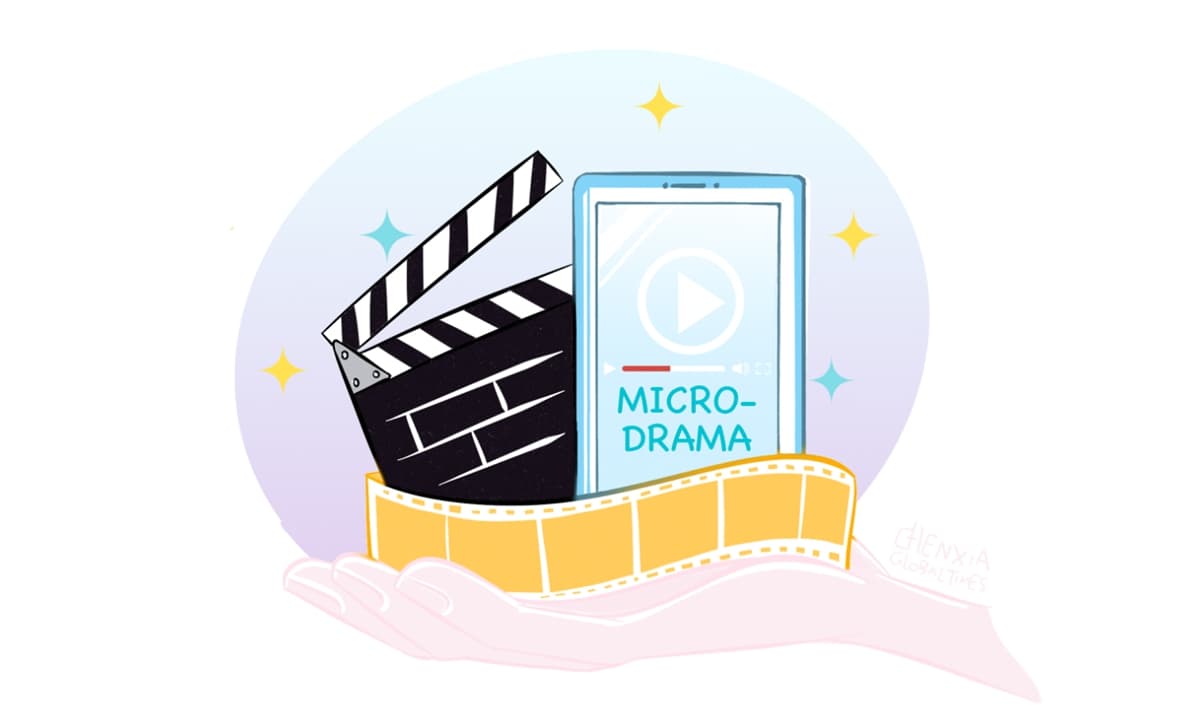
For decades, the gold standard of digital entertainment was the "binge-watch." We dedicated entire weekends to forty-minute episodes and sprawling seasons. But as we move through 2026, a seismic shift has occurred in how the world consumes narrative stories. The sprawling epic has been condensed. The hour-long drama has been dismantled. In its place, a new titan has emerged: the Microdrama.
These bite-sized, serialized stories - often clocking in at under two minutes per episode - are no longer just a "social media trend." They have become a multi-billion dollar industry that is successfully challenging the dominance of traditional streaming giants like Netflix and HBO. We are witnessing a revolution where professional-grade storytelling is meeting the lightning-fast pace of the mobile-first generation.
The Psychology of the "Micro-Hook"
The success of the microdrama is rooted in a fundamental change in human attention spans and consumption habits. In a world of infinite scrolling, the first five seconds of a video are the most valuable real estate in the creator economy. Traditional television takes twenty minutes to build tension; a microdrama on a platform like Xelta.ai does it in four seconds.
These series are engineered for the "stolen moments" of modern life. Whether it is a commute on the subway, a wait in a grocery line, or a quick break between meetings, the microdrama fits into the gaps of our day. By delivering a complete emotional arc - a cliffhanger, a revelation, or a comedic punchline - within 120 seconds, these creators are providing the same dopamine hit as a full-length movie but in a fraction of the time.
How AI Democratized High-Stakes Production
In the past, producing a cinematic drama required a backlot, a crew of fifty, and a massive lighting rig. The "Microdrama Revolution" is being fueled by the fact that high-end production has been compressed into the palm of a creator's hand.
Using Xelta’s Microdrama Content Flow, creators are now able to bypass the traditional studio system entirely. Here is how the workflow has shifted:
- Generative Scripting: AI models assist in writing "high-retention" scripts that ensure every second of the two minutes serves the plot.
- Virtual Sets: Instead of flying a crew to a location, creators use AI-generated environments that look indistinguishable from reality.
- Character Consistency: One of the biggest hurdles in AI video was keeping the actors looking the same in every shot. With Xelta’s advanced character-lock models, a protagonist stays consistent across a 50-episode micro-series.
- Instant Localization: Because these series are often global, AI dubbing allows a microdrama produced in Seoul to go viral in Sao Paulo on the same day.
The Economics of the 2-Minute Episode
Why are investors pouring money into micro-series instead of the next $200 million blockbuster? The answer lies in the math of engagement and monetization.
- Lower Risk, Higher Volume: For the cost of one episode of a major streaming show, a production house can create twenty different micro-series. This "portfolio" approach allows creators to see what sticks with an audience in real-time.
- The "Pay-per-Cliffhanger" Model: Many microdrama platforms utilize a micro-transaction model. Users might watch the first five episodes for free, but then pay a few cents to unlock the next "chapter." When you have millions of viewers, those cents turn into massive revenue streams that exceed traditional ad-supported models.
- Direct-to-Consumer Verticality: These shows are filmed in 9:16 vertical format. They are designed for the phone, not the TV. This removes the "friction" of the living room; the content meets the user exactly where they already spend their time.
Storytelling Without the Filler
One of the most refreshing aspects of the microdrama is the total absence of "filler." Traditional television is often criticized for "stretching" plots to meet a 22-episode season order. In a two-minute episode, there is no room for fluff. Every line of dialogue must move the plot forward. Every camera angle must convey information.
This has led to a new style of "Hyper-Condensed Narratives." Genres like psychological thrillers, "office revenge" stories, and urban fantasies are thriving in this format because they rely on sharp, emotional beats rather than slow-burn world-building. It is storytelling at its most essential level.
The SocialVerse Integration
A major reason the microdrama is the "new Netflix" is the community aspect. On a traditional streaming app, you watch in a silo. On a social-first platform, the drama is a conversation.
Using Xelta’s SocialVerse tools, creators can integrate their series directly into social feeds where viewers can comment, share, and even influence the plot of future episodes. This "Interactive Storytelling" creates a feedback loop that makes the audience feel like they are part of the production. When a viewer feels "invested" in a character, they are far more likely to pay for the next episode.
Challenges and the Path to 2027
While the revolution is in full swing, it is not without its challenges. As the market becomes crowded, "Quality Fatigue" is a real risk. This is why the focus is shifting from "quantity" to "cinematic excellence."
The winning creators in 2026 are those who use AI not just to work faster, but to work better. They are using tools like Xelta Prism to ensure their micro-series have the "film look" that viewers previously only expected from high-budget cinema. The goal is to make the user forget they are watching a video on a phone and instead feel like they are peering through a window into another world.
The Screen is Getting Smaller, the Stories are Getting Bigger
The death of the "Big Screen" has been predicted many times, but the reality is more nuanced. The big screen isn't dying; it’s just moving into our pockets. The Microdrama Revolution proves that a story doesn't need ninety minutes to be profound, and a series doesn't need a million-dollar marketing budget to be a hit.
As we look toward the future of entertainment, the line between "content creator" and "film director" will continue to blur. With platforms like Xelta.ai providing the creative infrastructure, the next "Netflix Original" might just be a two-minute masterpiece created by a solo artist in their home office.
The revolution is here, it’s vertical, and it’s only two minutes long. Are you watching yet?