

Introduction
Imagine walking into a massive department store where, the moment you step through the door, the layout shifts. The mannequins are wearing clothes in your exact size and style. The background music changes to your favorite genre. A personal shopper greets you, not with a generic "Can I help you?", but by handing you the exact pair of shoes you were looking at online three days ago.
In the physical world, this is a futuristic dream. In the world of e-commerce in 2026, this is the new baseline.
The era of the "one size fits all" digital storefront is officially over. Artificial Intelligence has transformed the shopping journey from a static catalog into a living, breathing experience that adapts to every click, scroll, and hover. By personalizing the path from landing to checkout, brands are doing more than just increasing sales; they are building a level of customer loyalty that was previously impossible in the anonymous world of the internet.
The Landing Page: First Impressions at the Speed of Thought
The personalization journey begins the millisecond a user hits the homepage. In the past, every visitor saw the same hero banner and the same "Featured Products." Today, AI-driven dynamic content ensures that no two people see the same landing page.
By analyzing the visitor’s referral source, geographic location, and past browsing history, the AI instantly reconfigures the site's layout. If a customer is visiting from a rainy city, the homepage might lead with waterproof gear. If they arrived via a social media ad for sustainable kitchenware, the entire "above the fold" area will highlight the brand’s eco-friendly credentials.
This isn't just about aesthetics. It is about reducing "cognitive load." When a customer sees exactly what they are looking for within the first three seconds, the bounce rate drops significantly. The AI isn't just showing products; it is signaling to the customer: "We understand what you need."
The Discovery Phase: Beyond the Search Bar
The traditional search bar has long been a point of friction. Customers often struggle to find the right words to describe what they want, leading to the dreaded "No results found" page.
In 2026, AI has replaced "keyword search" with "semantic discovery." Natural Language Processing (NLP) allows users to search in a way that feels natural. A query like "something cool to wear to a summer wedding in Tuscany" would have baffled older systems. Now, the AI understands the context - summer (lightweight fabrics), wedding (formal but breezy), and Tuscany (European style) - and curates a lookbook rather than just a list of items.
Furthermore, visual search has become a mainstream tool. A customer can upload a screenshot from a movie or a photo of a stranger’s outfit, and the AI will find identical or "visually similar" items in the store's inventory. This removes the need for language entirely, allowing the customer’s inspiration to lead directly to a product page.
The Product Phase: Virtual Confidence
The biggest hurdle for e-commerce has always been the inability to touch, feel, or try on a product. This uncertainty is the primary driver of abandoned carts. AI is bridging this "physicality gap" through personalized visualization.
We are now seeing the widespread use of "Virtual Try-On" (VTO) powered by Augmented Reality and Generative AI. Instead of seeing a dress on a professional model, a customer can see it on a 3D avatar that matches their specific body measurements and skin tone. For home decor, AI allows users to "place" a sofa in a digital recreation of their own living room, adjusting the lighting to show how the fabric will look at sunset versus noon.
By providing this personalized "proof of concept," AI removes the guesswork. It transforms the question from "Will this look good?" to "When can I have it?"
The Nudge: Hyper-Personalized Recommendations
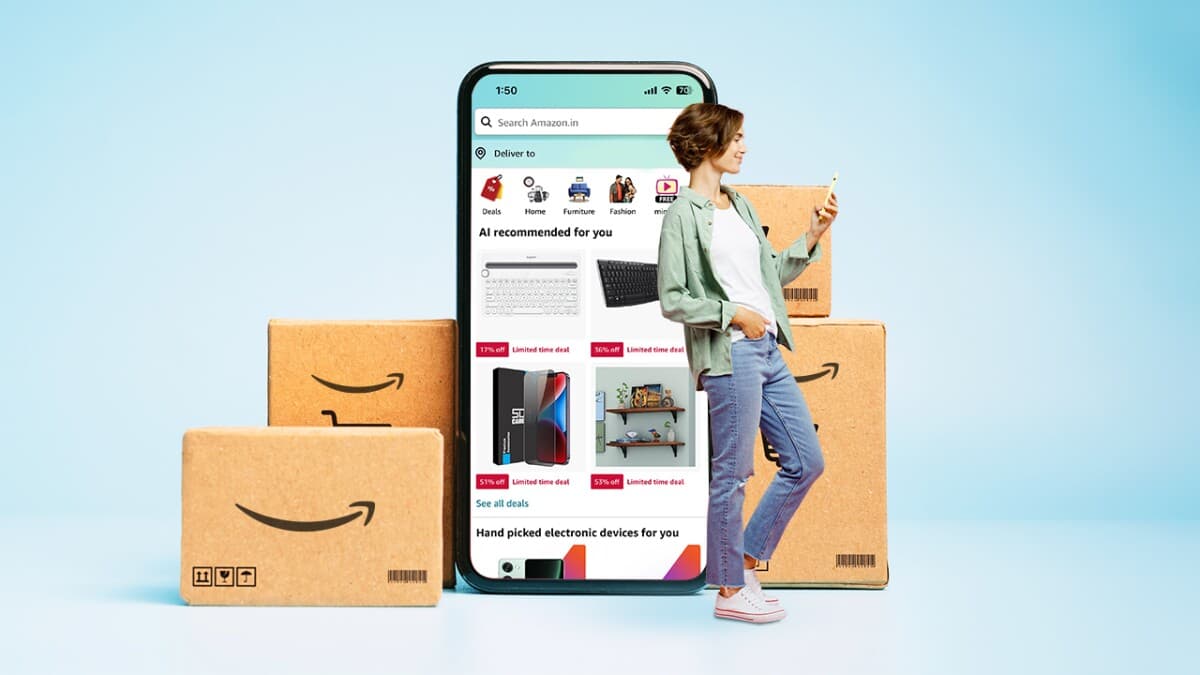
We are all familiar with the "Customers who bought this also bought..." widgets. However, in 2026, recommendations have become much more sophisticated. AI now uses "collaborative filtering" and "predictive analytics" to suggest items based on a user’s future needs, not just their past actions.
If the AI notices a customer has bought a camera, it won't just suggest a lens. It will analyze the user’s skill level and shooting style to suggest a specific tripod or a weather-sealed bag. If a customer is buying baby clothes for a newborn, the AI tracks the child’s growth, sending a personalized recommendation for the next size up exactly three months later.
These "nudges" feel less like sales pitches and more like helpful reminders from a knowledgeable friend. When the machine anticipates a need before the customer even vocalizes it, the shopping experience becomes truly frictionless.
The Checkout: The Final Frontier of Friction
Even after a customer has found the perfect item, the journey can still fail at the finish line. Complex forms, unexpected shipping costs, and a lack of preferred payment methods are the "silent killers" of conversion.
AI personalizes the checkout experience by predicting the most likely points of friction for a specific user. For a returning customer, the AI might offer a "One-Click" checkout that bypasses all forms. For a first-time high-value shopper who seems hesitant, the AI might trigger a real-time offer for free shipping or a "Buy Now, Pay Later" option tailored to their credit profile.
Even the delivery estimates are personalized. Instead of a generic "3 - 5 days," the AI analyzes the current logistics chain to provide a hyper-accurate delivery window based on the user’s specific zip code and the time of day. This transparency builds the final layer of trust needed to click "Purchase."
The Post-Purchase Loop
The shopping journey doesn't end when the credit card is charged. AI continues to personalize the experience through the "unboxing" and "loyalty" phases.
Personalized "how-to" videos are sent via email based on the specific items purchased. If a customer bought a complex piece of tech, the AI might proactively send a message saying, "We noticed you’ve had your device for two days; here is a quick tip on how to calibrate the sensor."
This proactive care turns a one-time buyer into a brand advocate. It ensures that the next time the customer needs something, they don't go to a search engine; they go directly back to the store that "knows" them.
The Human Element of the AI Store
While the technology behind this personalization is complex, the goal is simple: to make digital commerce feel more human.
By removing the "robotic" and generic elements of the web, AI allows brands to return to the roots of great retail - understanding the individual. In 2026, the most successful e-commerce sites aren't the ones with the most products; they are the ones that use AI to make the customer feel like they are the only person in the store.
The journey from landing to checkout is no longer a gauntlet of forms and filters. It is a tailored path, cleared of obstacles, leading the customer exactly where they want to go.